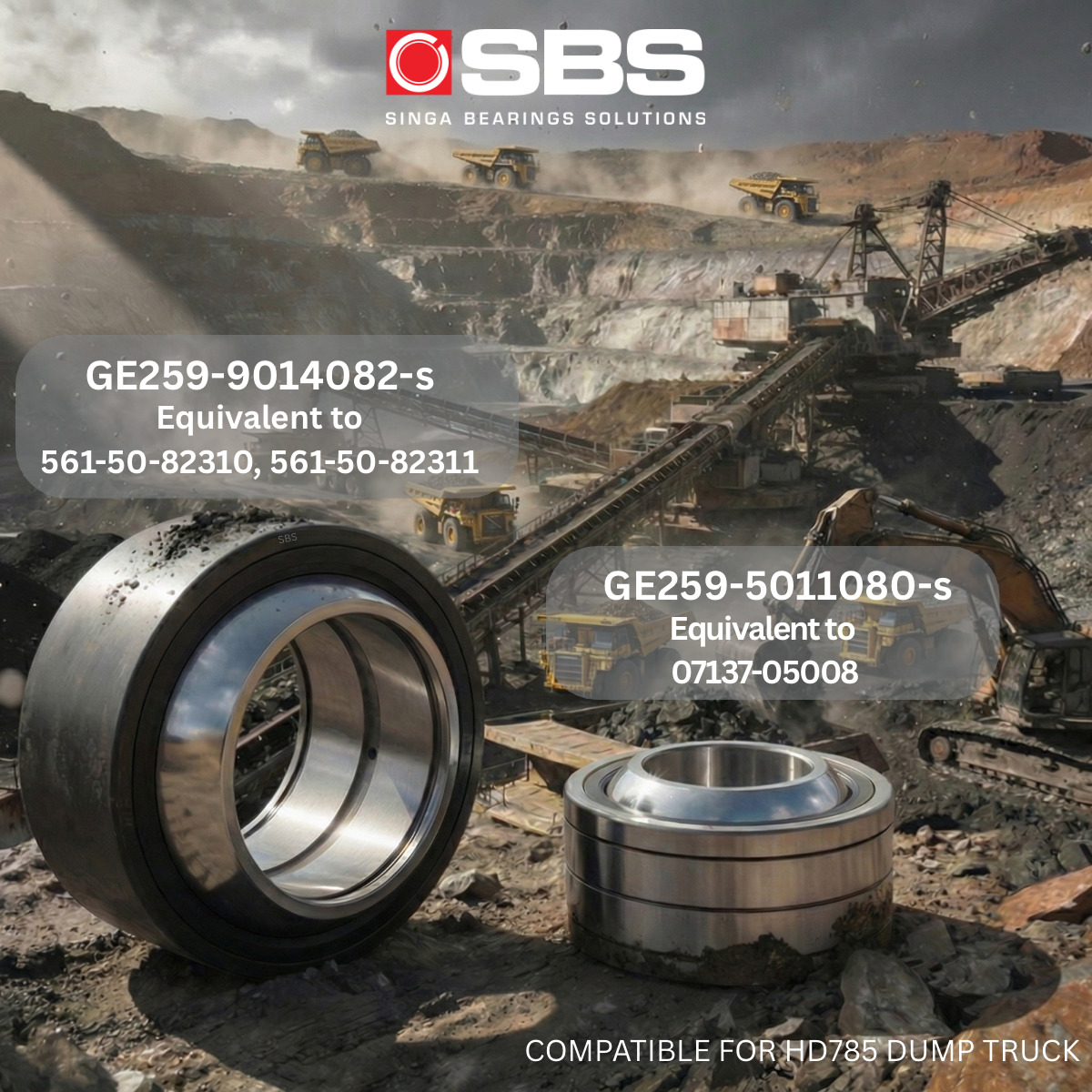
Reverse engineering. You’ve heard the term but what exactly is it?
Hint: it’s not gnireenigne (engineering in reverse…)
Reverse engineering, sometimes referred to as back engineering, involves analysing an existing component to understand its material, function and design requirements.
In short, dissecting a finished product to understand how it works.
This process allows engineers to capture precise measurements but goes beyond reproducing parts. Reverse engineering also enables experts to optimise for better performance, durability and reliability. Thus, improving processes through heightening wear resistance, reducing friction and supporting tailored material selection for demanding operational conditions.
Curiosity peaked? Read on and let us take you down a deeper exploration of reverse engineering!
How useful is Reverse Engineering?
Reverse engineering offers significant advantages across industries.
When acquiring parts, manufacturers sourcing original OEM components may be subjected to high costs and long lead times. Reverse engineering addresses these by analysing an existing product without lengthy and expensive research and development processes. This saves time by skipping past early development phases and moving quickly, an important factor in competitive industrial environments.
Reverse engineering also improves durability through identifying and addressing design weaknesses. Thus, extending the lifespan of your machinery. Performance customisation meets specific operational needs, promoting improvement by identifying inefficiencies. Additionally, digital documentation enables easier maintenance, replication and future upgrades. This assists in the production of replacement parts when OEM supply is no longer available and avoids costly redesigns.
How does Reverse Engineering work with SBS?
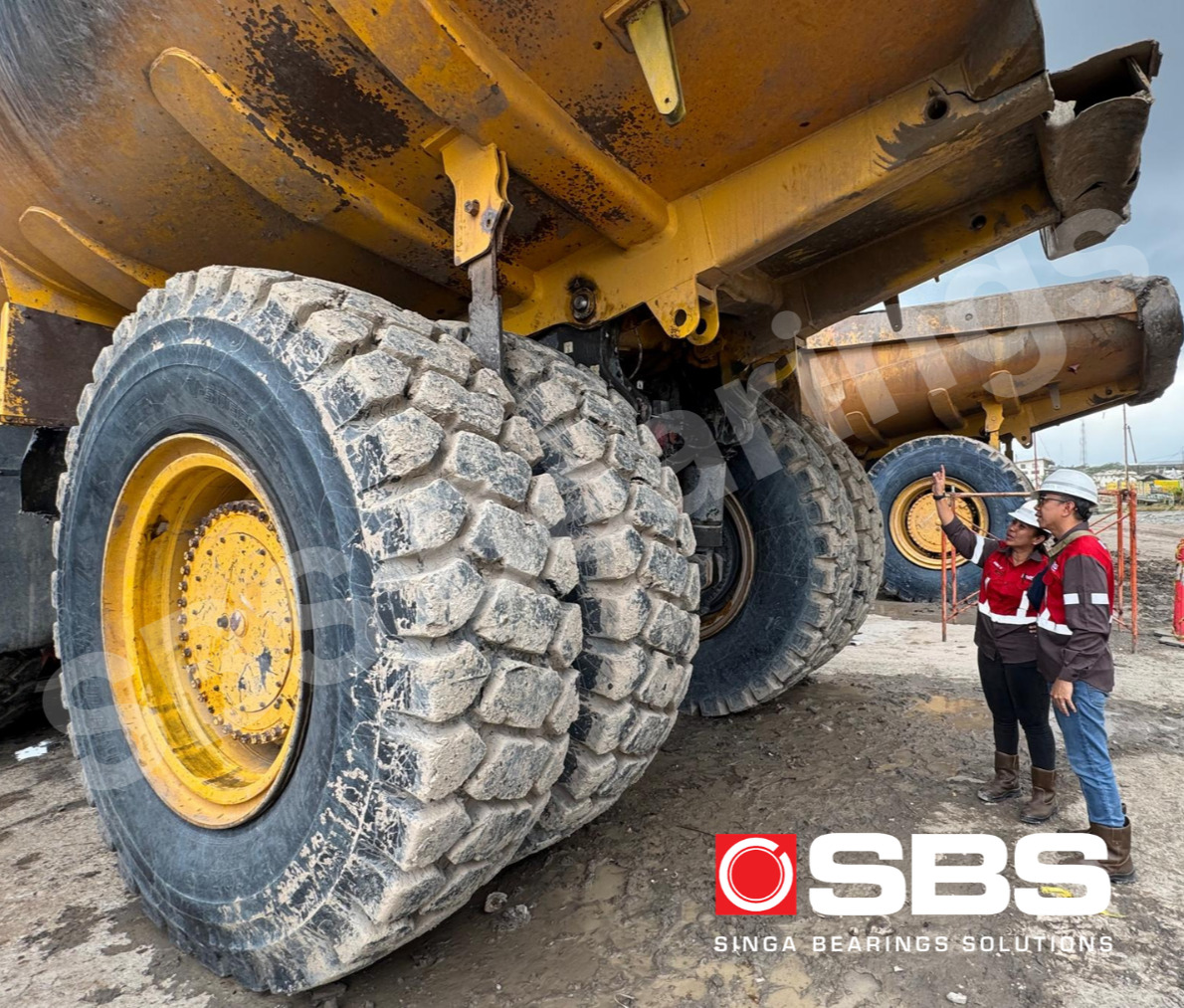
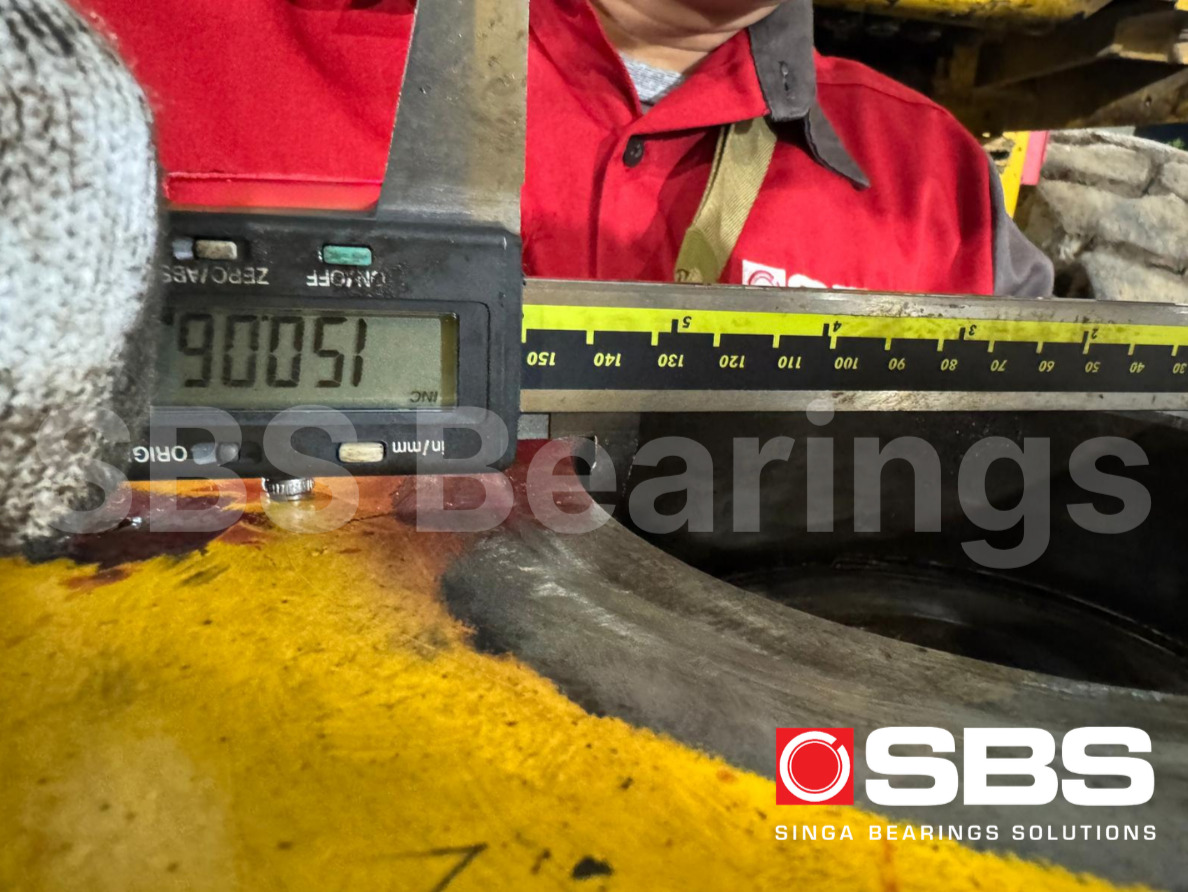
The SBS team begins by heading directly to your site for inspection and measurement. We create drawings to produce components perfectly suited for your operational needs, utilising over 50 years of technical expertise and experience.
Technological developments in reverse engineering have present significant potential for accelerated turnaround times through portable scanning solutions. SBS’s current approach primarily relies on proven conventional measurement methods, achieving consistent and reliable results in component development. Nevertheless, we are always ready to utilise digital tools, including 3D scanning where applicable, to further enhance model accuracy and assist when OEM drawings are unavailable.
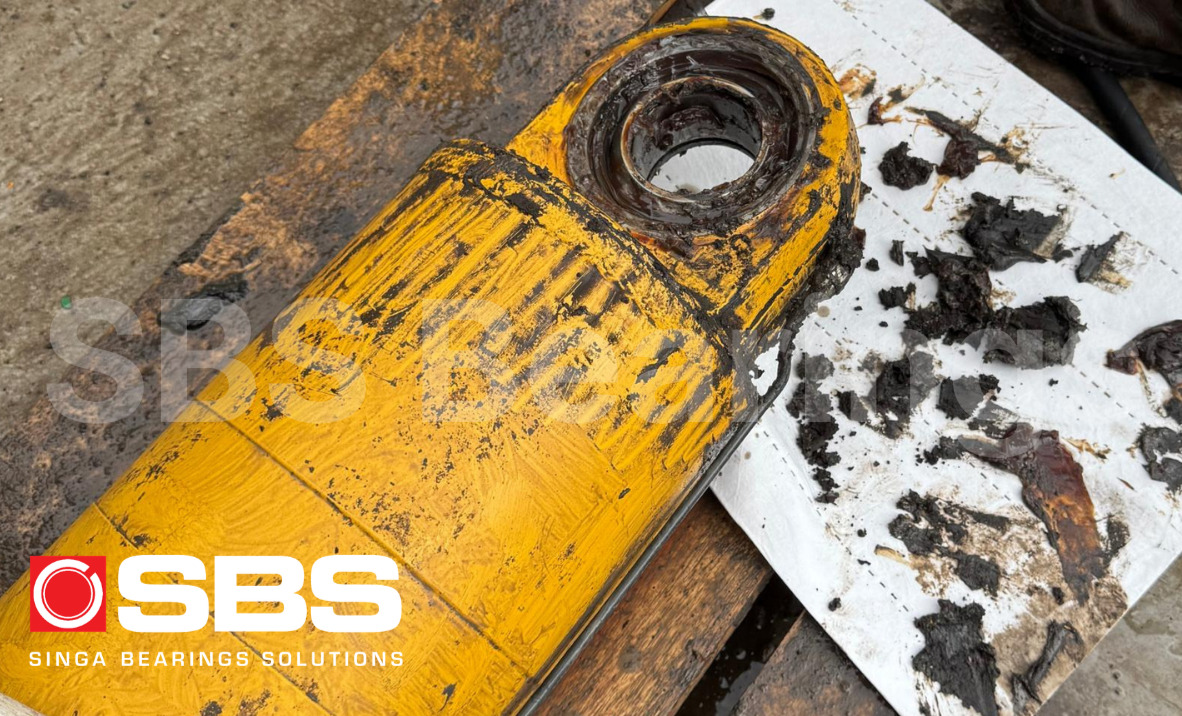
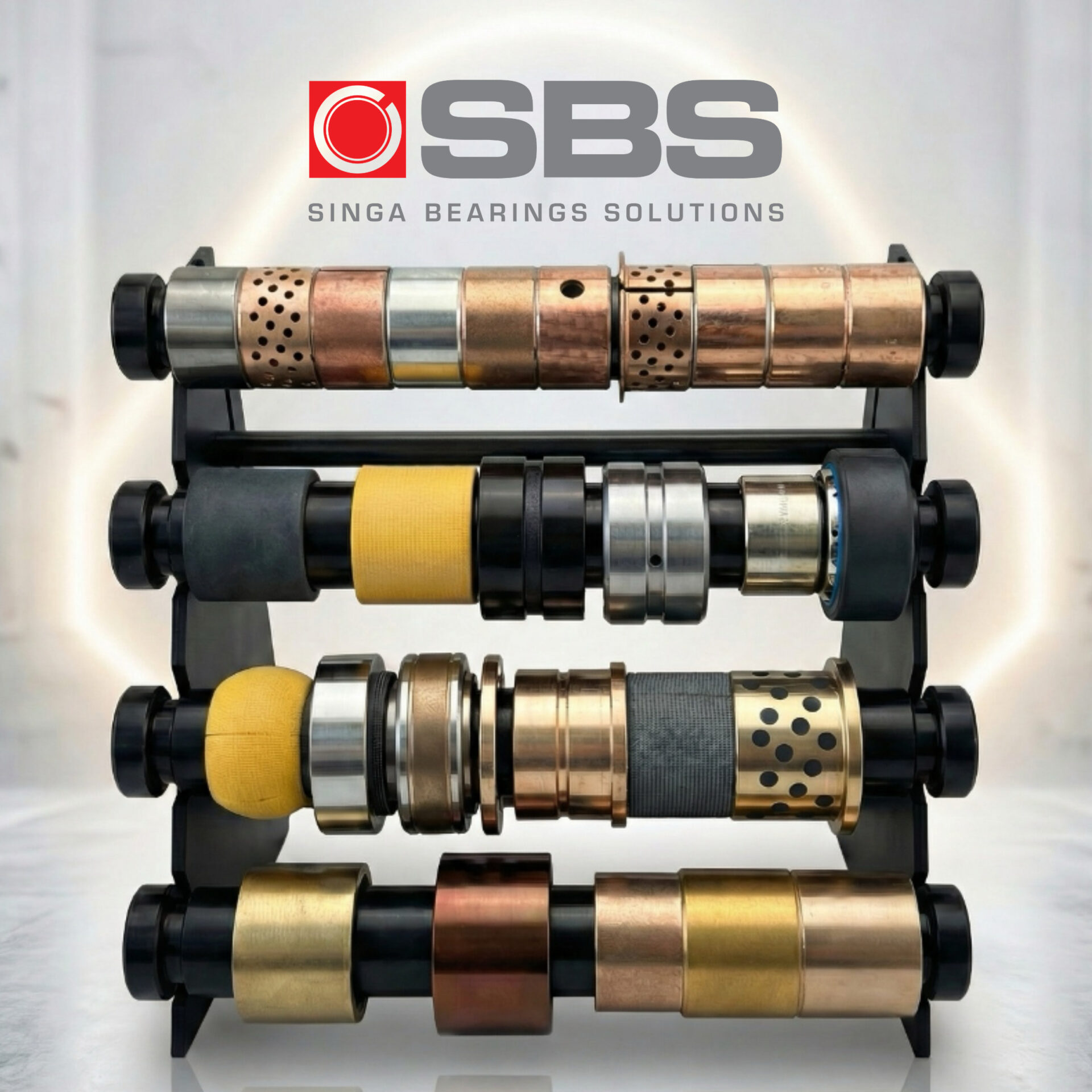
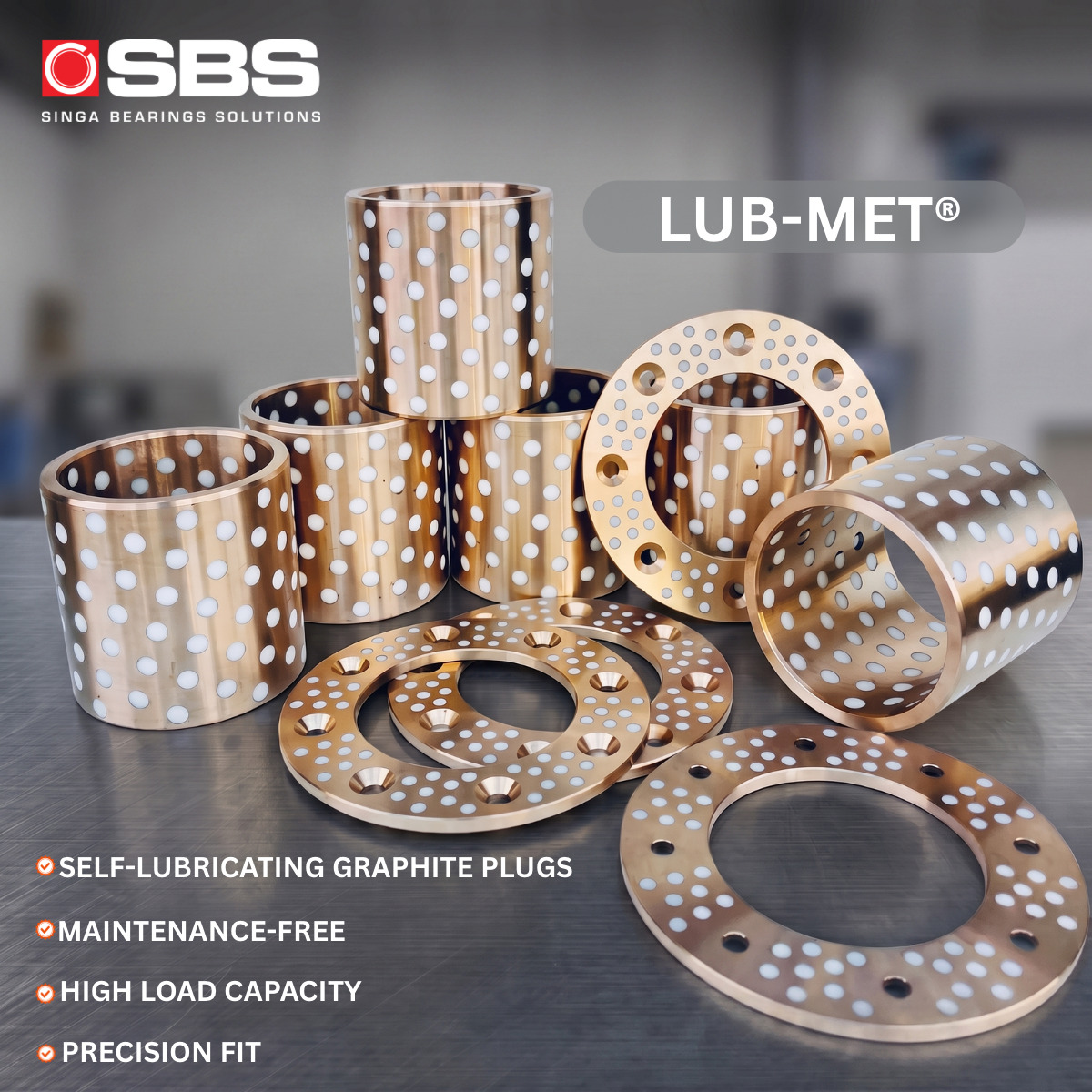
Our team then selects and/or customises materials for improved wear resistance, load capacity and environmental tolerance. We offer an extensive range of materials to provide the best results.
Learn more about our material variety here: https://sbs-bearings.com/products
To ensure utmost reliability, SBS’s operations are ISO 9001:2015-certified to secure high-quality production, meeting strict industrial standards.
Contact Us Today
To conclude, reverse engineering provides cost-effective performance through bypassing the need for heavy research and development investments. By analysing existing components, we reduce costly downtime and ensure optimised solutions for better durability and efficiency.
Here at SBS, we aim to be your technical partner, providing comprehensive support from initial design through production, delivery and installation. We explore real metrics, diving into both qualitative and quantitative insights.
Our team is both highly certified and trusted by customers worldwide, providing guaranteed services under a well-defined quality management system (QMS).
Discover how SBS can optimise your operations today! Ask about reverse engineering at info@sbs-bearings.com.sg or call at +65-6316 3850.
We look forward to working with you.